
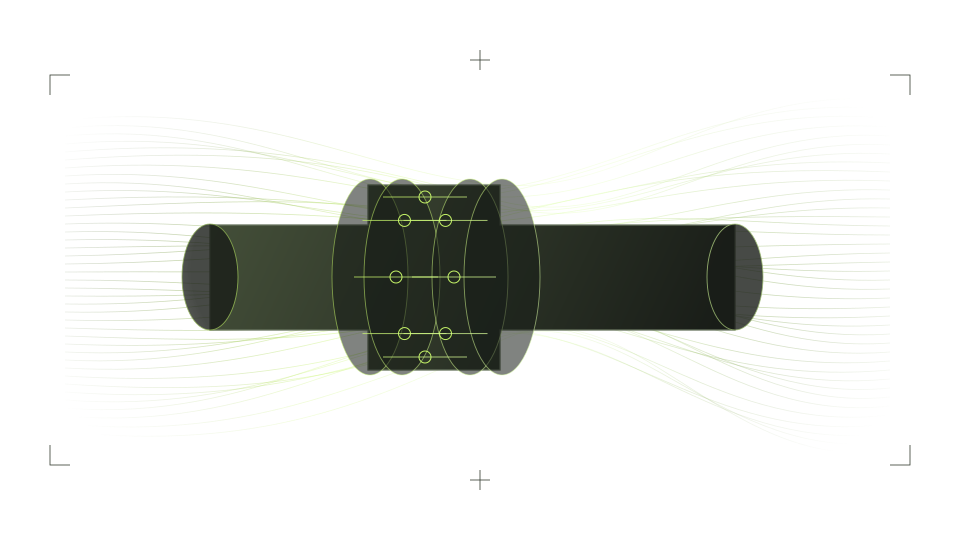
CFD vs FEA: Which Question Each Answers, and When You Need Both
CFD vs FEA: why fluids use finite volumes and solids finite elements, where heat transfer joins them, and how a CFD error becomes a stress error.
Leer artículoOrientación práctica sobre CFD, evidencia de los modelos y las preguntas que vale la pena hacer antes de una simulación.
Este artículo todavía no está disponible en su idioma; se muestra en inglés.
CFD vs FEA: why fluids use finite volumes and solids finite elements, where heat transfer joins them, and how a CFD error becomes a stress error.
Leer artículo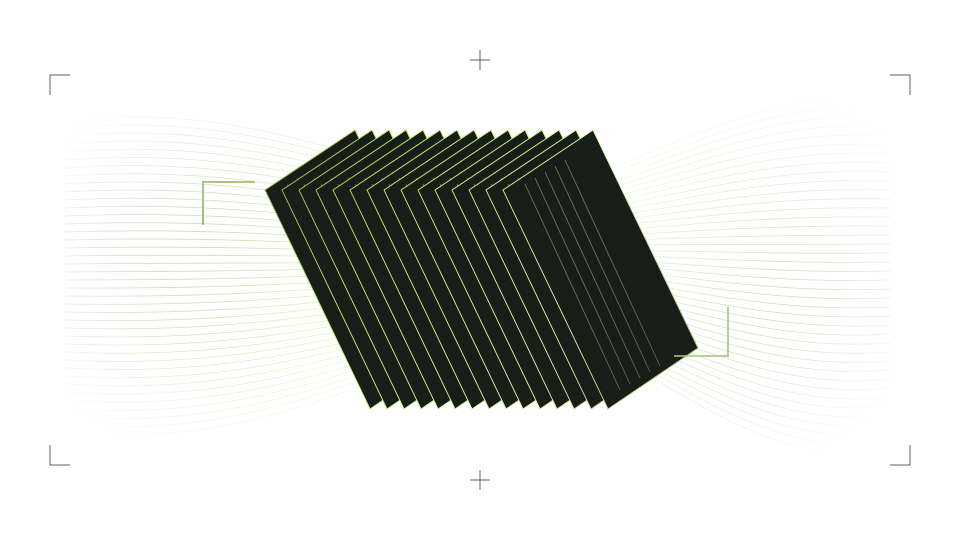
A data centre liquid cooling CFD model spans the cold plate, the rack loop and the room. What each must capture, with a worked energy balance and common traps.
Leer artículo
A GPU CFD solver pays off when the case fits in memory, uses supported models and is big enough. How to check all three, and how to verify the GPU result.
Leer artículo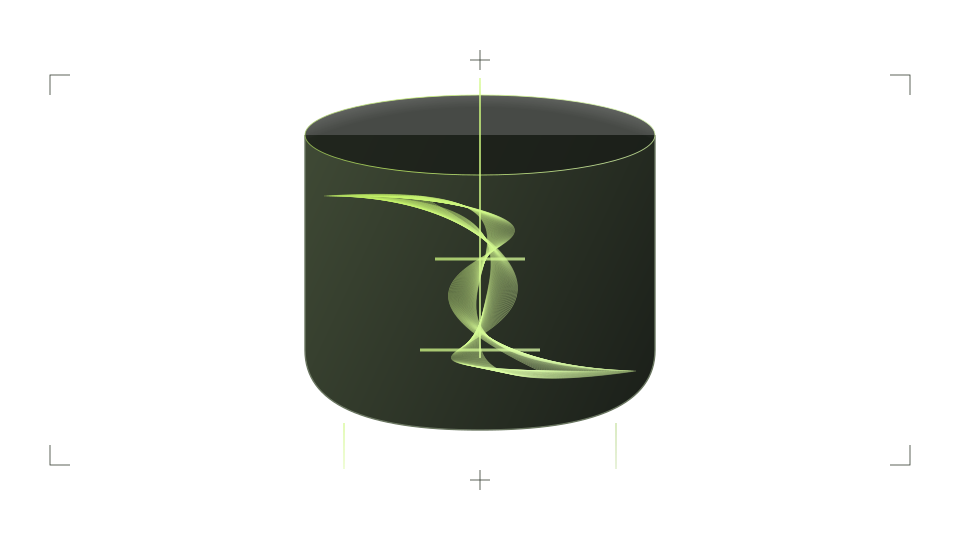
Residuals fell three orders and the answer is still moving. Learn three checks that show a CFD solution has converged, with a worked example and a checklist.
Leer artículo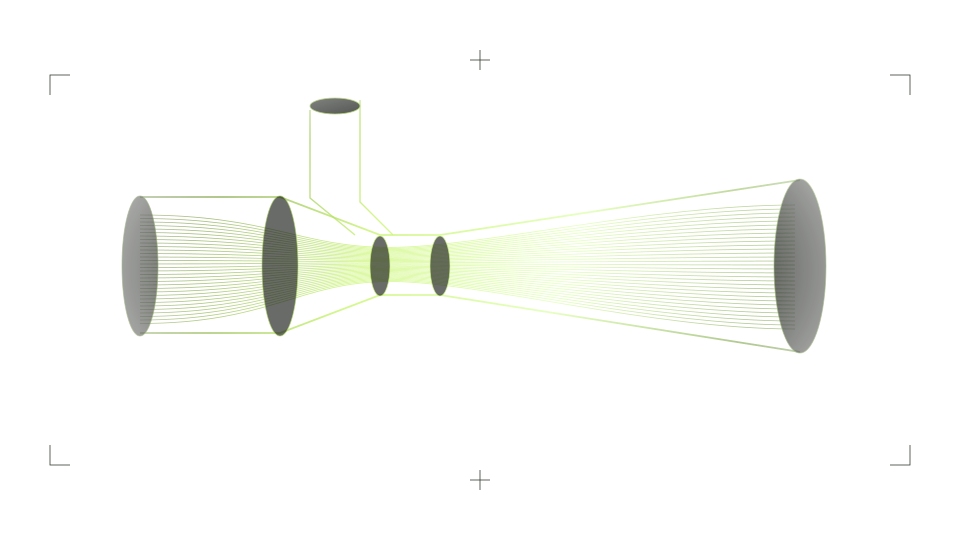
Ejector CFD depends heavily on the turbulence model. See what a published validation reports for k-omega SST, where it is weaker, and how to compare designs.
Leer artículo
CFD has no single accuracy figure. See where the error comes from, what a published validation reports, and how to decide what error your decision can tolerate.
Leer artículoChoosing between k-omega SST and k-epsilon depends on how you treat the wall. Compare the two models, see which y+ each needs, and calculate the first cell height.
Leer artículo
A step-by-step mesh independence study: three meshes, the refinement ratio, the observed order and the grid convergence index, ending in one sentence for your report.
Leer artículoA converged CFD solution is a starting point. Numerical checks and comparison with physical evidence answer different questions about a model.
Leer artículo